
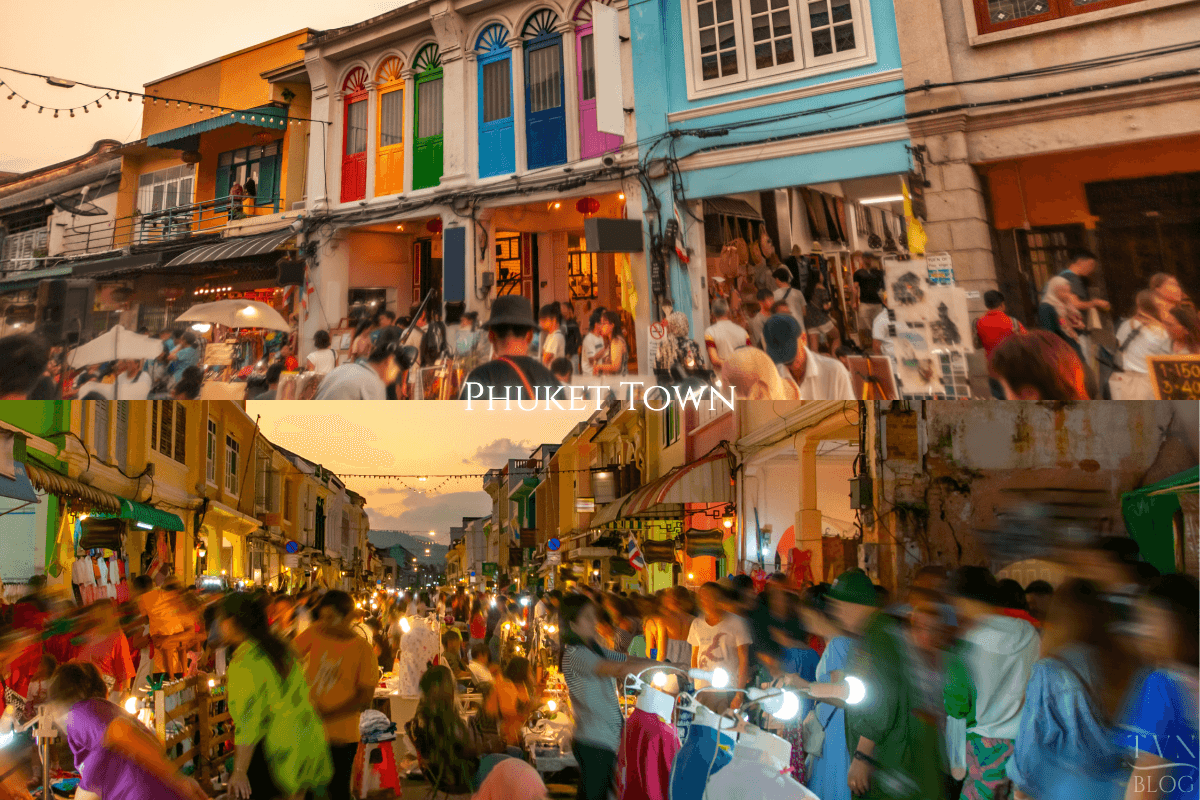
For decades, Phuket has been Thailand’s primary gateway to the Andaman Sea and Phang Nga Bay. With its international dining scene, nightlife, retail hubs, and extensive tour network, it offers scale and variety for travelers who enjoy energy and momentum.
Yet luxury travel is no longer defined by abundance alone. Increasingly, privacy, timing, and freedom of pacing shape how high-end journeys are designed. Just 25 minutes north of Phuket International Airport, Natai Beach offers a different rhythm. It does not compete with Phuket in volume; instead, it offers spatial ease, curated flow, and proximity without congestion.
This comparison is not about the destinations themselves. Both bases provide access to the same iconic landscapes of southern Thailand. The difference lies in how those experiences begin, how they take shape, and how they are remembered long after the day is done.
Choose Phuket if you want nightlife, density, and large-scale resort infrastructure.
Choose Natai Beach if you prioritize privacy, shorter mainland transfers, and quieter access to Phang Nga Bay.
Accessing Phang Nga Bay: A Matter of Geography and Approach
Phang Nga Bay is frequently presented as a full-day tour, shaped by longer transfers from Phuket. From Natai Beach, its proximity changes the dynamic – it becomes a nearby exploration with greater flexibility and without the sense of a fixed, day-long commitment.
Guests staying in Phuket must first travel across the island to reach one of its marinas before heading north into the bay by boat. This often means navigating morning traffic and adhering to fixed departure schedules shared with other travelers. By the time many vessels reach the bay’s most recognizable landmarks, the water is already active with tour traffic. For a detailed breakdown of routes, departure timing, and day trip options, see our full guide to the best day trips from Natai Beach.
From Natai Beach, the journey begins differently. Departing from quieter mainland piers closer to the bay’s northern reaches allows earlier access to calmer waters and less-trafficked routes. Icons such as James Bond Island feel markedly different when visited at dawn, before the arrival of large group tours. Hidden lagoons, mangrove corridors, and sea caves reveal a quieter dimension when the bay is entered before the day fully awakens.
By positioning slightly outside Phuket’s tourism core, guests are closer to the natural rhythm of the landscape – with shorter, more direct journeys to Phang Nga Bay’s landmarks and a noticeably more unhurried, scenic passage from your accommodation to the water.
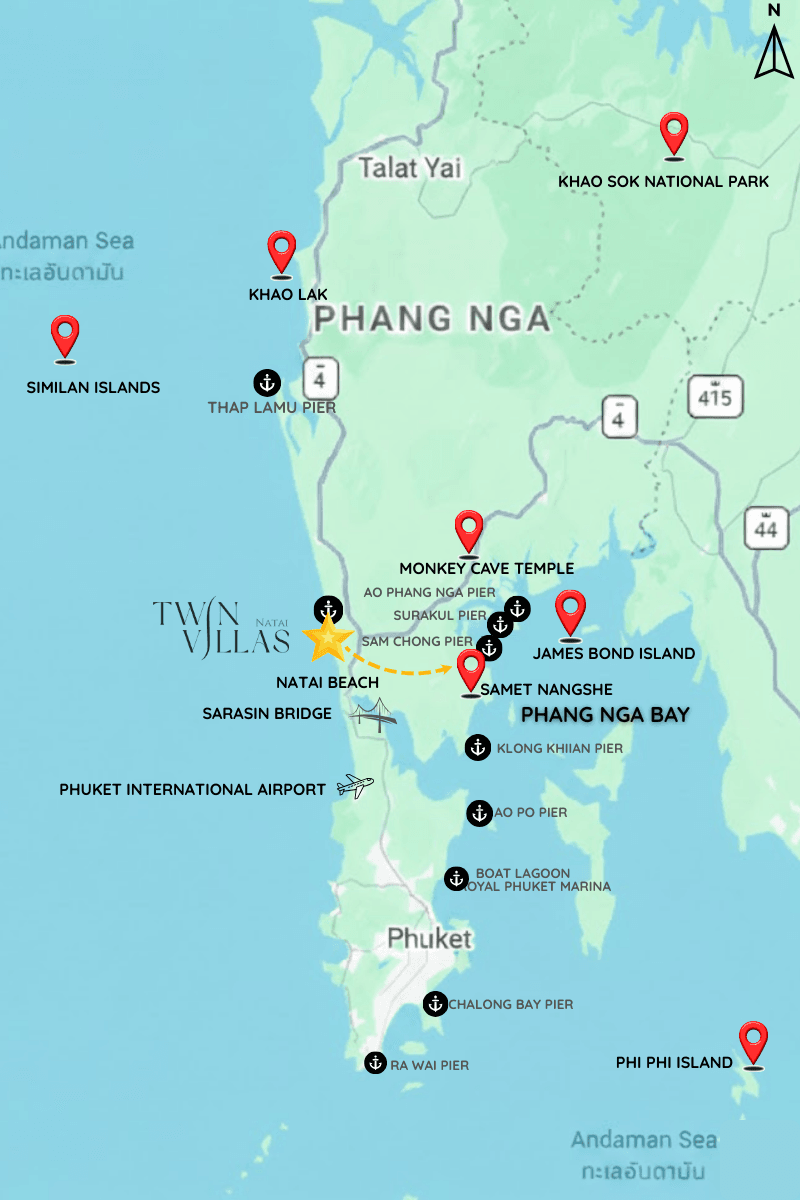

Image courtesy Jrbazil Videography, Instagram
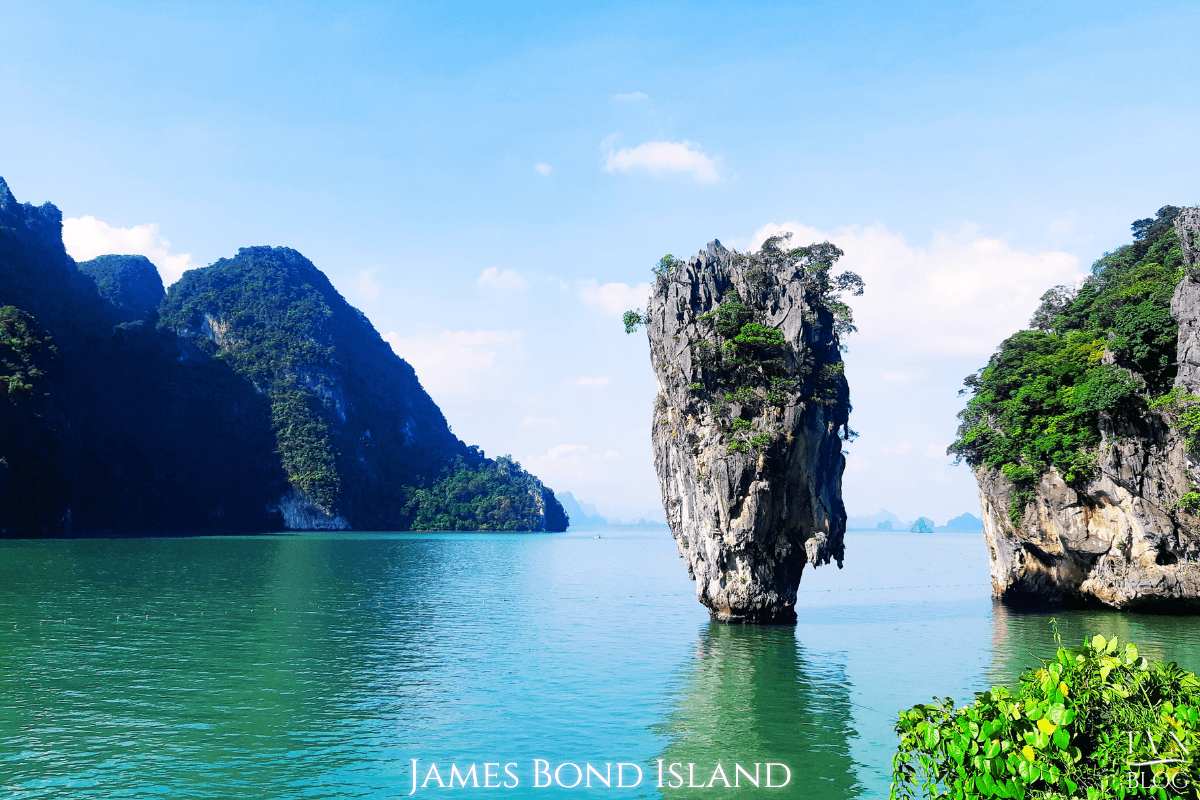
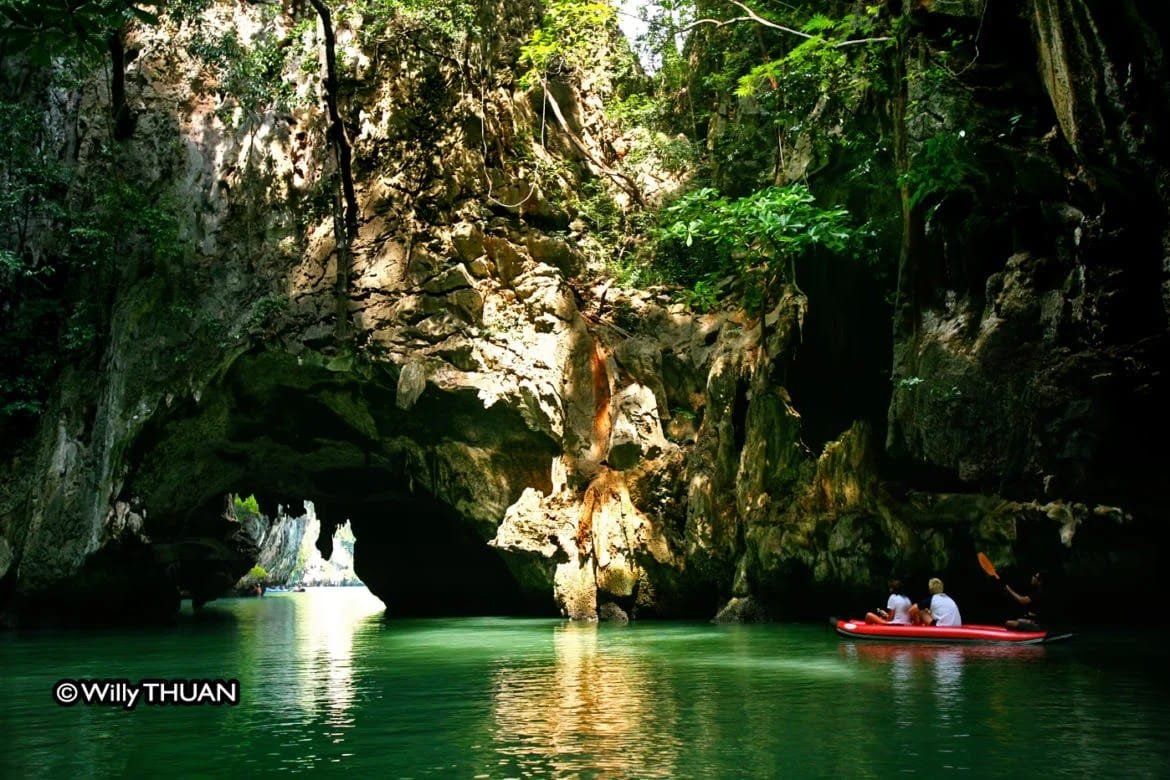
Photo by Phuket 101 (www.phuket101.net)
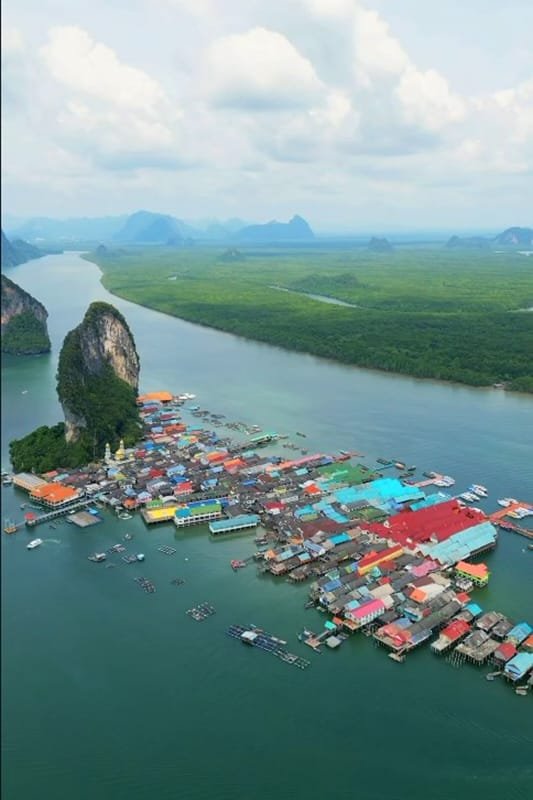
Image courtesy of Greg Andrle IG: @certified_gmo
Luxury, Timing, and the Departure Experience
In thoughtful travel, the location and pace of departure set the tone for the entire day. The difference between leaving from Phuket and from Natai Beach shapes everything that follows.
Differences in guest experience:
- Starting Point:
From many parts of Phuket, journeys begin with island traffic and crowded marinas. From Natai Beach, departures typically involve direct transfers along quieter roads to mainland piers – often 30-40 minutes – without congestion, rather than longer cross-island transfers from southern Phuket. - Transfer Experience:
Within Phuket’s larger tour infrastructure, shared vans, group briefings, and scheduled boardings are common. In contrast, departures from Natai Beach more often involve private vehicles and direct access to vessels without intermediary pick-up stops and waiting areas. - Departure Windows:
Natai Beach’s proximity to northern attractions allows greater flexibility. Guests may depart later yet still arrive ahead of peak boat traffic, or leave at dawn to encounter near-complete solitude.
Phuket operates at a scale designed to move large numbers efficiently. Natai Beach moves at a pace that allows greater discretion and flexibility. The destinations may be the same; the rhythm and the experience of the entire journey are markedly different.
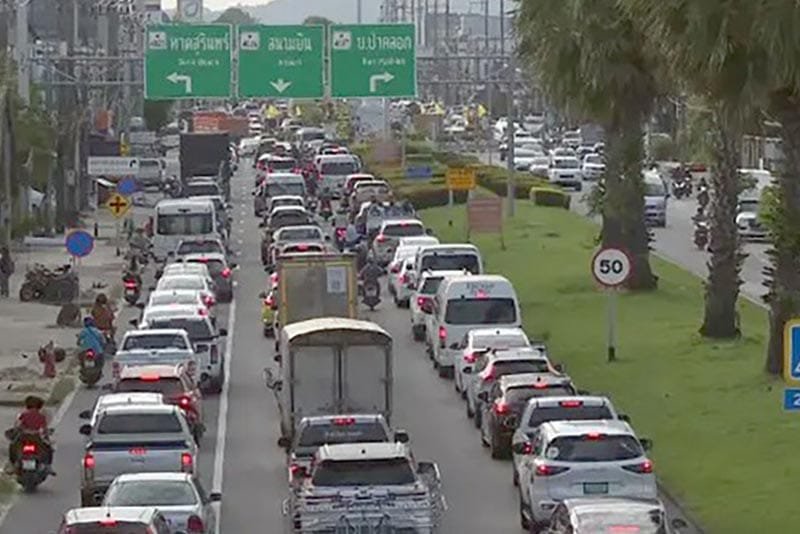
Photo by pattayamail.com
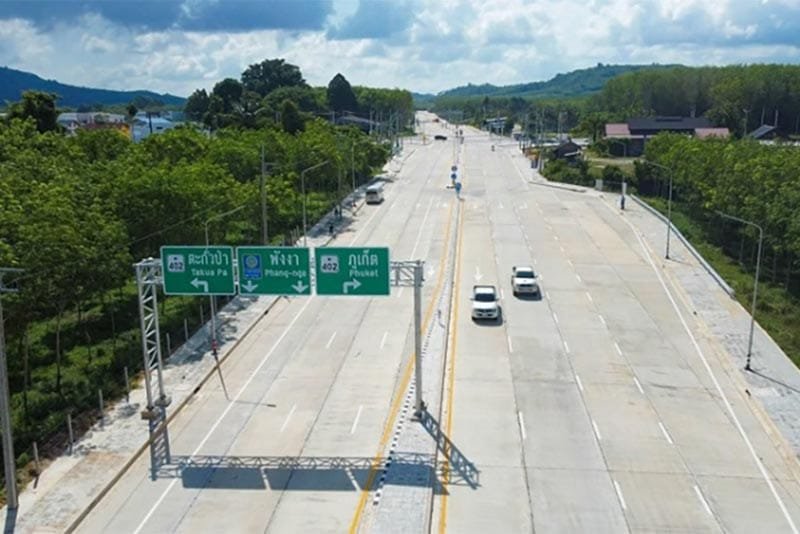
Photo by ibusiness.co
Location Matters: Why 25 Minutes North Changes Everything
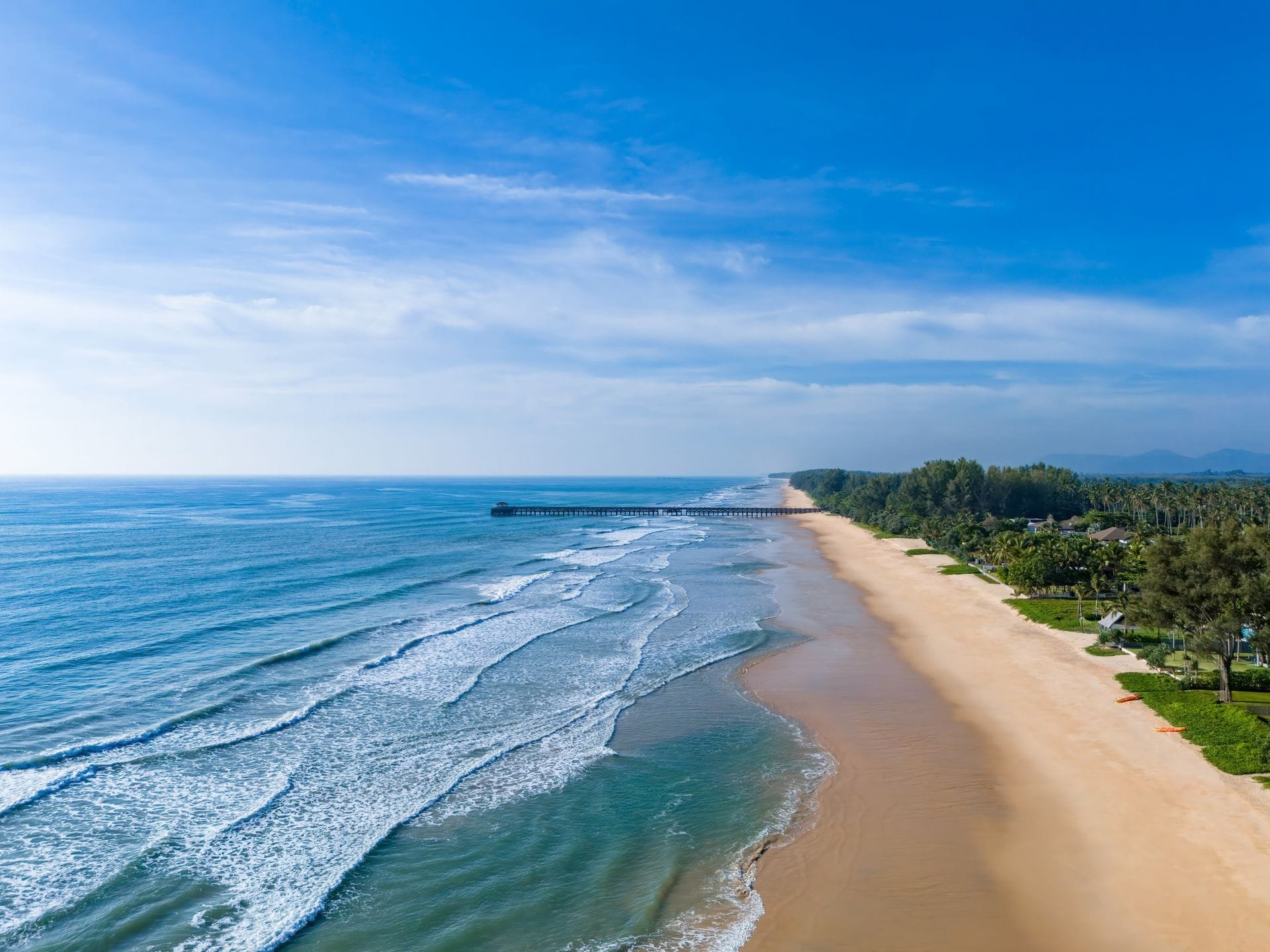
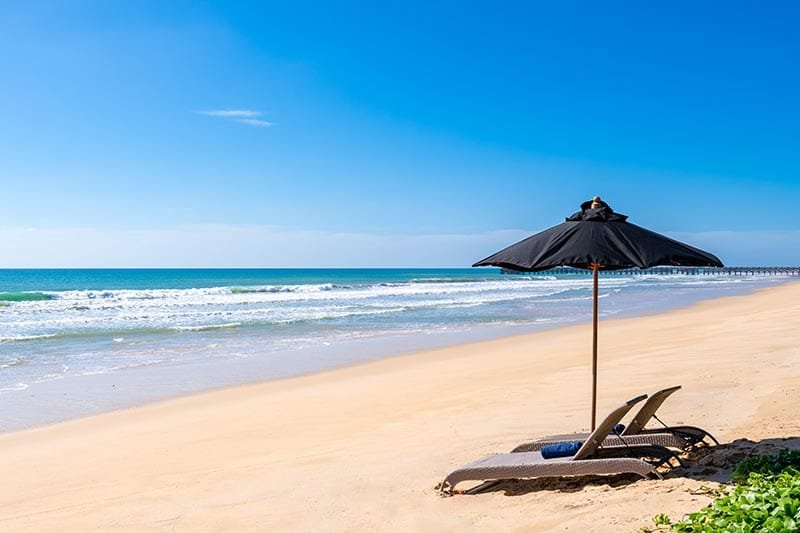
Crossing the Sarasin Bridge, which connects Phuket Island to mainland Phang Nga’s Natai Beach, marks a significant shift in atmosphere. The density and movement of southern Phuket give way to an 11-kilometer stretch of undeveloped coastline, coconut groves, and open beachfront.
This change is not accidental. Natai Beach offers immediate access to Phuket’s international airport, dining, golf courses, and amenities, yet remains far enough from Phuket’s high-traffic tourism zones to preserve calm. For travelers who value privacy not only within their accommodation but in the surrounding environment, that geographic distance becomes meaningful.
Luxury here is defined not by adding more activity, but by maintaining continuity – where the road to your accommodation, the shoreline beyond it, and the surrounding landscape feel aligned rather than compressed.
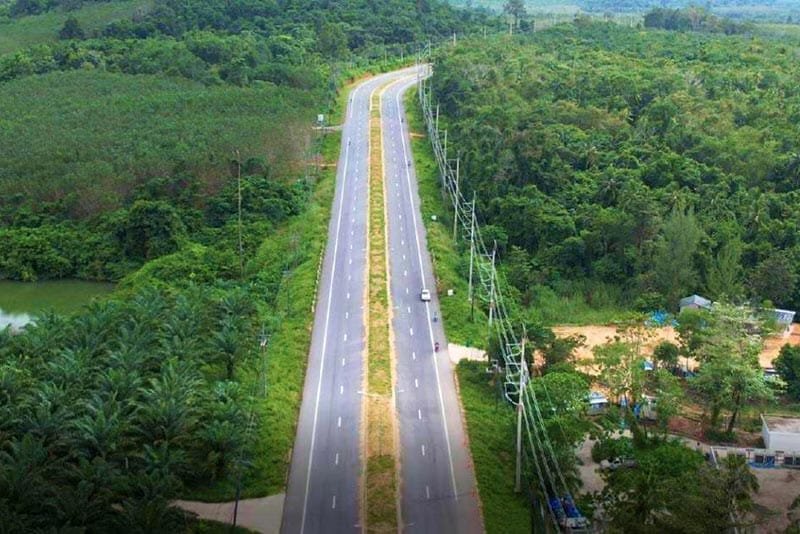
Photo by mgronline.com
Lifestyle Architecture: Resorts vs. Private Beachfront Estates
Accommodation is no longer about where you sleep, but about how it inspires your stay and your journey beyond the room itself.
Phuket is largely defined by resort hotels – efficient, well-serviced, and designed around shared spaces. Restaurants, pools, lobbies, and excursion desks operate within a structured framework that prioritizes coordination at scale.
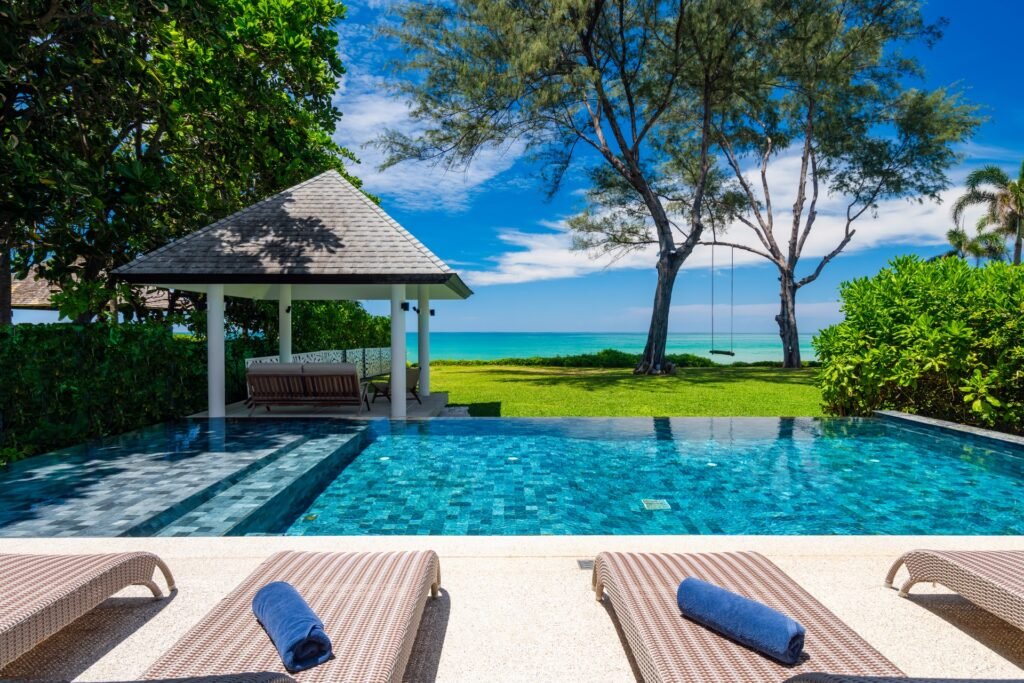
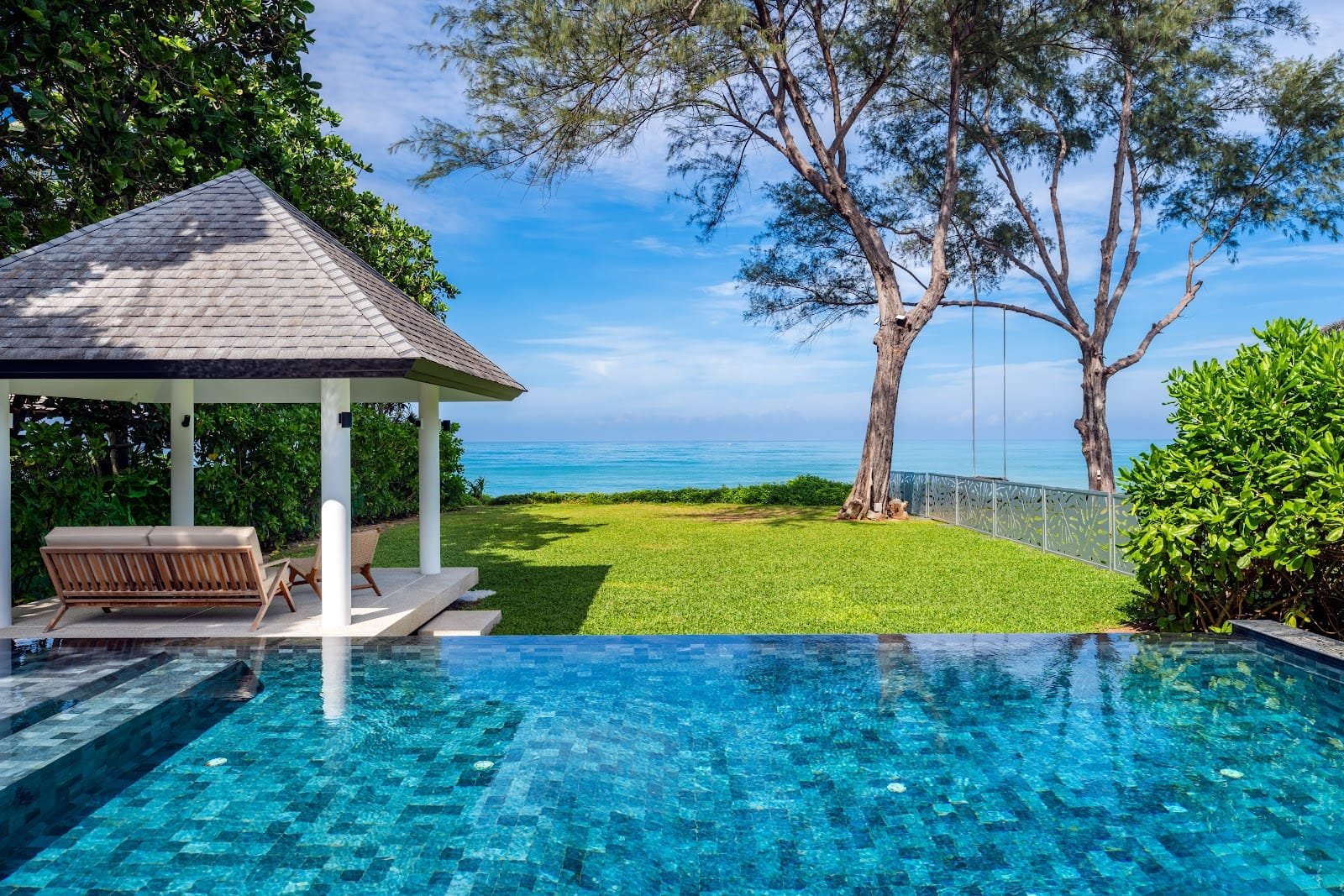
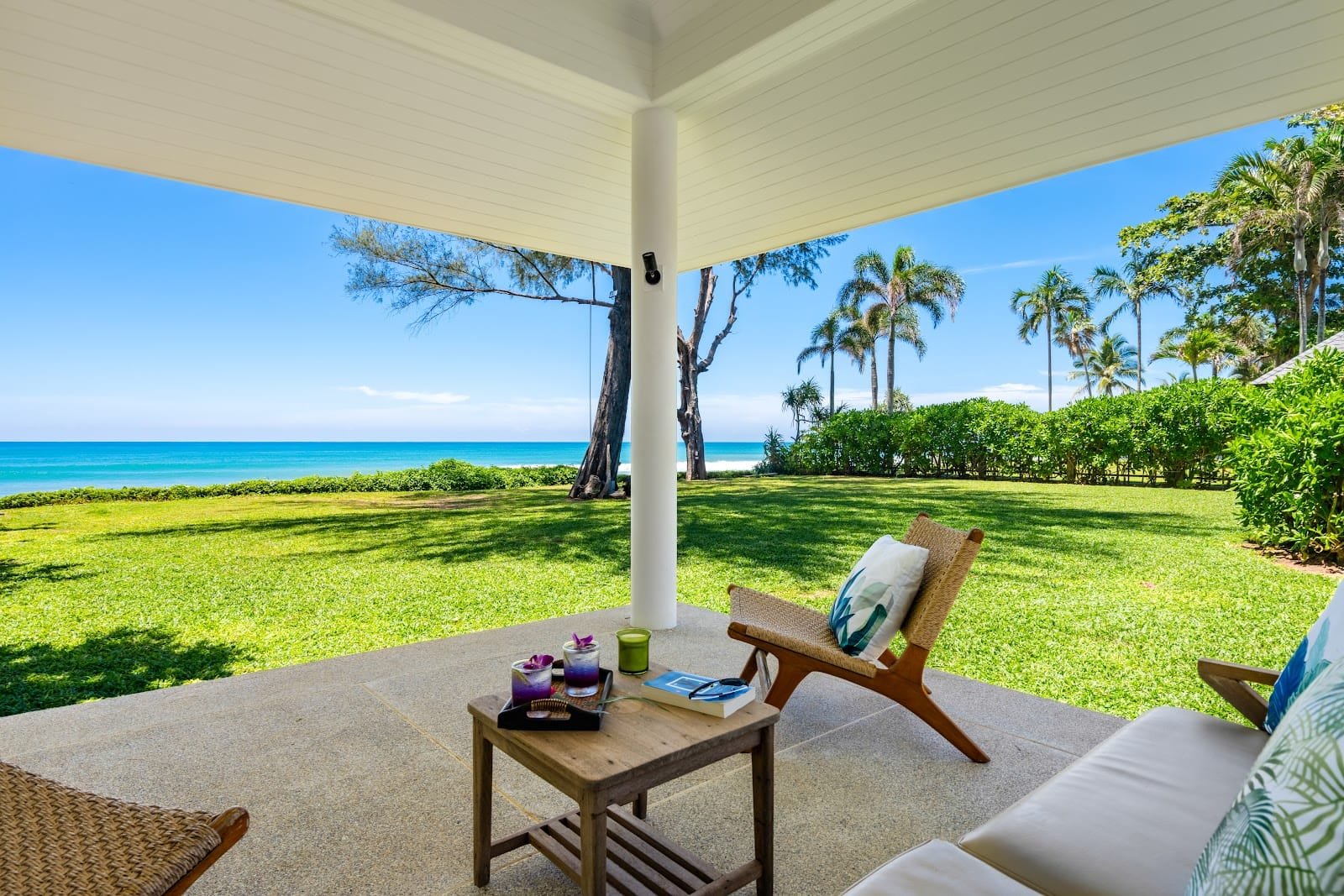
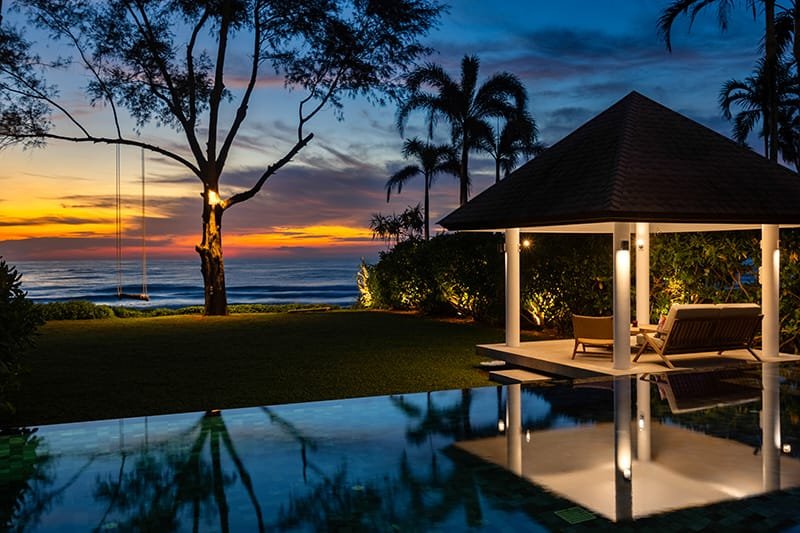
Natai Beach, by contrast, is characterized by private beachfront estates built for tropical coastal living. Private residences such as Twin Villas Natai are designed for families and groups who travel together yet prefer discretion: private kitchens, private beachfront lawns, dedicated staff, and days structured around their personal rhythm rather than hotel or tour timetables.


Choosing Your Base: A Matter of Preference and Rhythm
The decision between staying in Phuket and staying in Natai Beach is not a question of quality, but of the kind of stay you wish to have.
- Choose Phuket if you seek nightlife, retail districts, and the energy of a global tourism hub.
- Choose Natai Beach if you prioritize privacy, spatial ease, and proximity to Phang Nga Bay without daily congestion. Here, timing is more flexible, distance is shorter, and the surrounding landscape supports a quieter rhythm.
As southern Thailand continues to evolve, the meaning of luxury travel has shifted. It is less about access to activity but more about the freedom to explore at your own pace within the setting that you desire.
For travelers deciding where to base their stay, a deeper look at routes, timing, and day-trip options can be found in our complete guide to the best day trips from Natai Beach.
Frequently Asked Questions
Is Natai Beach closer to Phang Nga Bay than Phuket?
Yes. Natai Beach sits on the mainland in Phang Nga province, closer to several northern departure piers serving Phang Nga Bay. This mainland positioning often allows for shorter, more direct transfers and greater flexibility in departure timing compared with cross-island journeys from southern Phuket.
Why do some travelers choose Natai Beach instead of Phuket?
Many travelers choose Natai Beach for its privacy, quieter surroundings, and easier access to nearby nature areas. While Phuket offers busy resorts and nightlife, Natai Beach is known for its peaceful atmosphere, beachfront villas, and relaxed coastal environment.
Is Phuket better for nightlife and shopping?
Yes. Phuket has a much larger tourism infrastructure with restaurants, beach clubs, night markets, and shopping areas across the island. Travelers looking for nightlife and a lively social scene often prefer staying in Phuket.
How far is Natai Beach from Phuket International Airport?
Natai Beach is located about 25 minutes north of Phuket International Airport. The drive crosses the Sarasin Bridge and leads to the mainland coastline of Phang Nga province.